
Godzilla Swap Development Car
Road TestingCrimson Kaiju
1966 Lincoln Continental Convertible
A quick-and-dirty development car built to answer one question: what does it actually take to put a Ford 7.3L Godzilla and overdrive transmission into a 1961–1969 Lincoln Continental and make the whole package work?
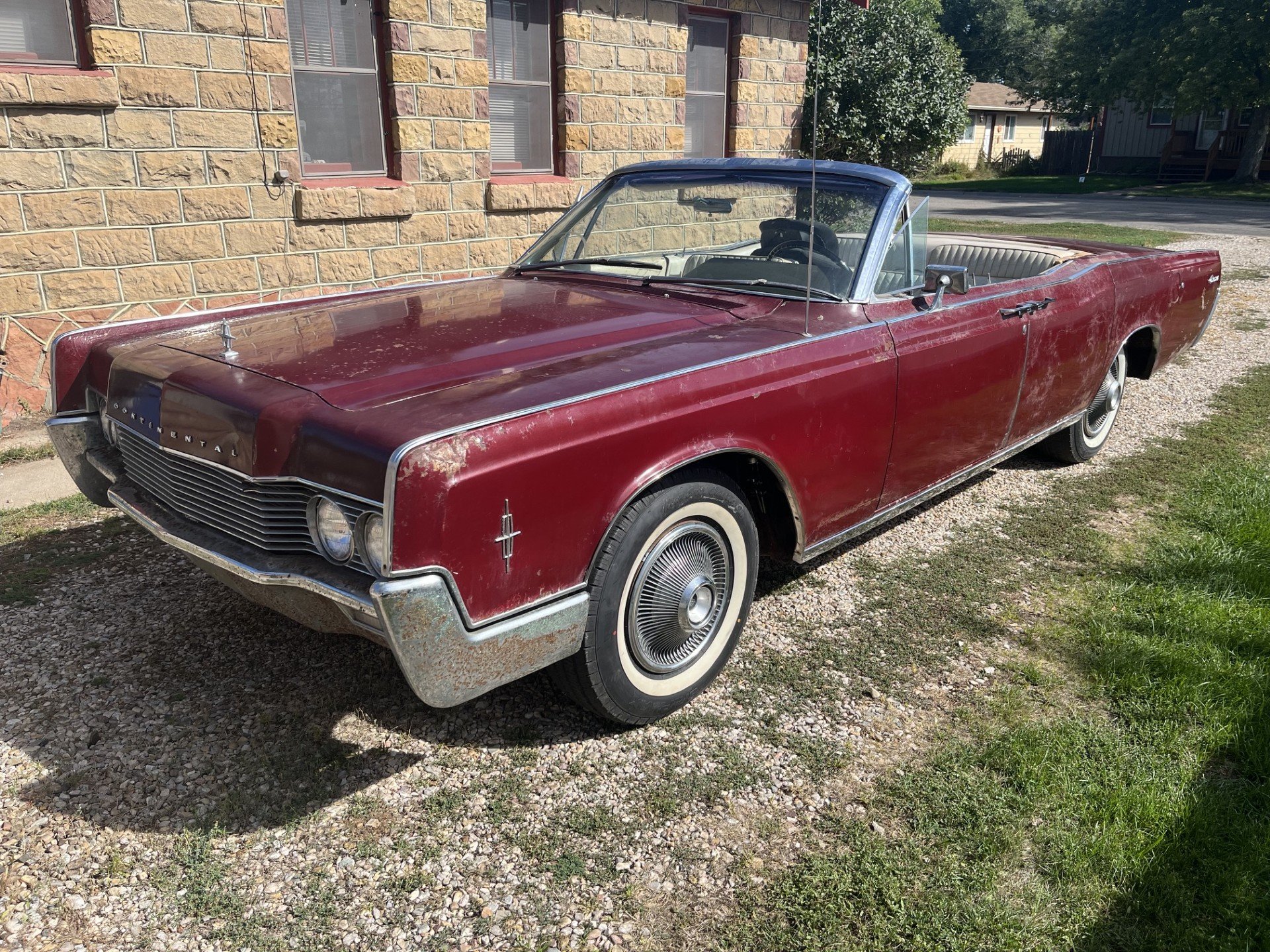
A careful cleanup and some road miles later. Emphasis on careful — wash it too aggressively and more paint comes off than dirt.
Why We Built It
Build the Swap First. Restore the Car Later.
Crimson Kaiju was never meant to be a restoration — at least not yet. We wanted a real-world test platform that could tell us what was needed, what wasn't, what fit, what didn't, and which component choices made the most sense before calling the DIRRTY CUSTOMS Godzilla swap package a finished product.
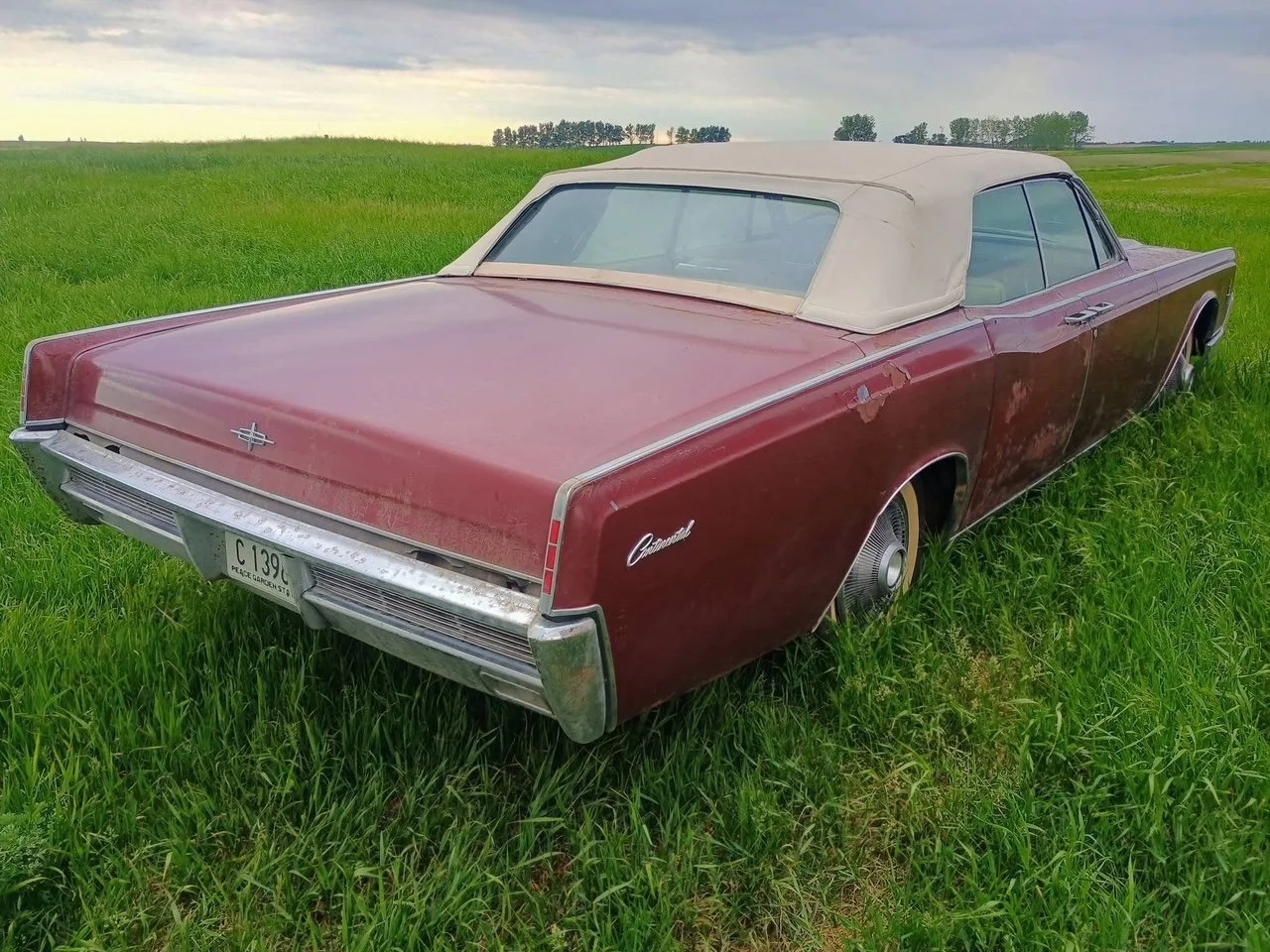
This 1966 Continental Convertible spent decades in a covered North Dakota barn. The body is straight and remarkably complete, but both the body and interior need major work. That made it nearly perfect for the job: instead of spending hundreds of hours making it pretty, we could focus on the drivetrain, supporting systems, fitment and integration.
From dormant barn find to road testing took about two months, with roughly 80 hours of shop time fit between other work and projects. Some of that calendar time was simply waiting on parts or deliberately testing different component options. This wasn't a 400-hour restoration disguised as an engine swap.
The funny part is that once it worked, we didn't want to tear it back apart. Crimson Kaiju is rough around the edges, but it's an absolute blast for the driver and passengers alike. So we're enjoying it through the fall, accumulating road miles, datalogging and making adjustments where needed. The auxiliary work can wait for winter.
Build Details
Vehicle
1966 Lincoln Continental Convertible
Engine
Ford 7.3L Godzilla V8
Transmission
Ford 4R70W
Engine Management
Holley Terminator X MAX
Build Time
Approx. 80 Logged Shop Hours
Status
Running & Road TestingWant this swap in your Lincoln?
Shop the KitWhat The Test Mule Proved
A Running, Driving No-Cut Godzilla Package
CAD gets you a long way. Road miles tell you whether the whole system actually works. Crimson Kaiju let us develop the hard parts, install the supporting systems, try different solutions and learn the details that only show up once the car leaves the lift.
No Cutting to the Car
The engine and transmission package fits the Continental without cutting the body or frame, while retaining factory-style driveline geometry.
Stock Hood Clearance
The complete swap fits under the stock 1966 hood. We also confirmed a lower-cost fuel-system configuration using the factory Godzilla rails and crossover.
Factory Steering Retained
This car retains its factory steering system. Steering-box position varies between cars and configurations, so minor clearance adjustment may still be required.
Modern EFI & DBW
Holley Terminator X MAX controls the Godzilla, 4R70W and Ford electronic throttle body while allowing datalogging and continued calibration as miles accumulate.
Supporting Systems Integrated
Fuel, cooling, power steering, transmission cooling, exhaust, charging, starting, brake-switch and factory-shifter functions were integrated into the car.
Real Road Development
The car is now being used for road miles, datalogging and refinement instead of sitting in the shop waiting for cosmetic restoration.
Development Highlights
From First Fire to Road Miles
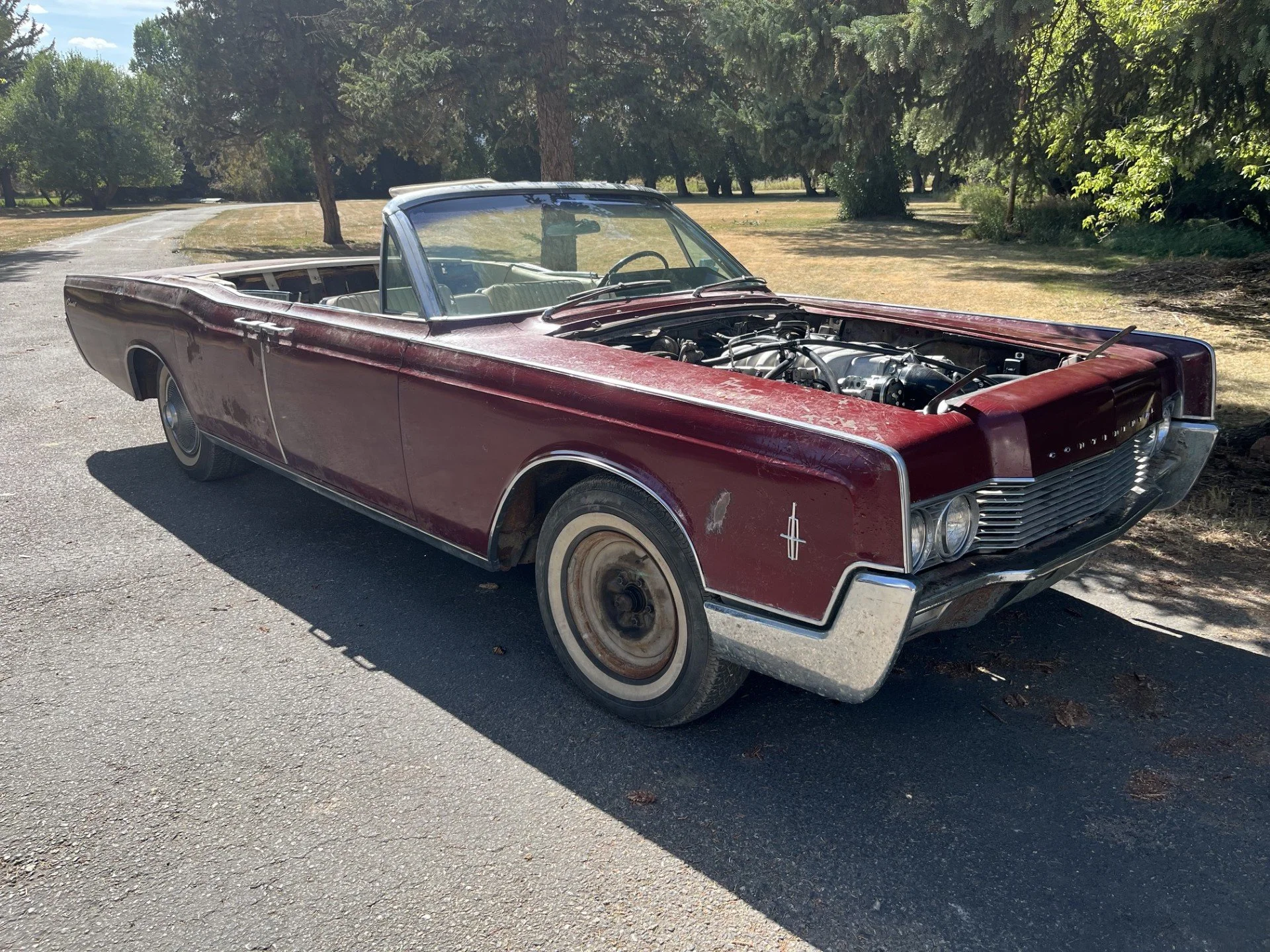
Early Road Testing
No Hood. Ancient Tires. It Drove.
One of the first road tests happened before the hood went back on and while the car was still wearing tires roughly four decades old. It wasn't a finished car; it was a systems check on wheels.
Once the basic drivetrain, cooling, fuel, steering and transmission functions checked out, the focus shifted from “will it work?” to road testing, datalogging and refinement.
Fuel System & Hood Clearance
A Lower-Cost Option That Actually Fits
Not every swap needs the most expensive fuel-rail package. Crimson Kaiju was used to test a more budget-conscious configuration retaining the factory Godzilla fuel rails and crossover.
The important result: it fits the 1966 engine bay and clears the factory hood. It isn't as visually tidy as the aftermarket Holley setup, but it gives builders another proven option depending on budget and priorities.
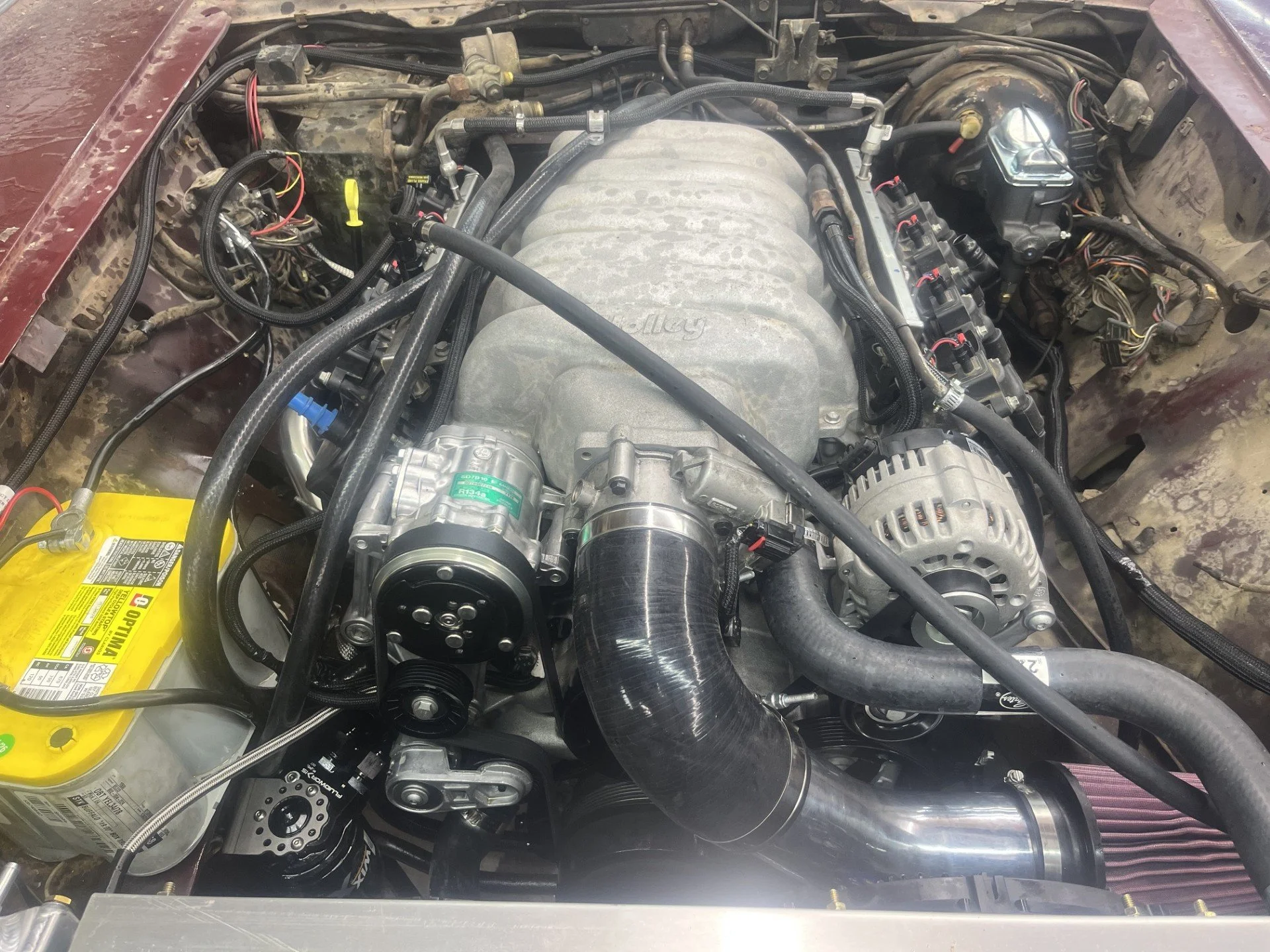
Factory Godzilla rails and crossover installed in the '66 engine bay.
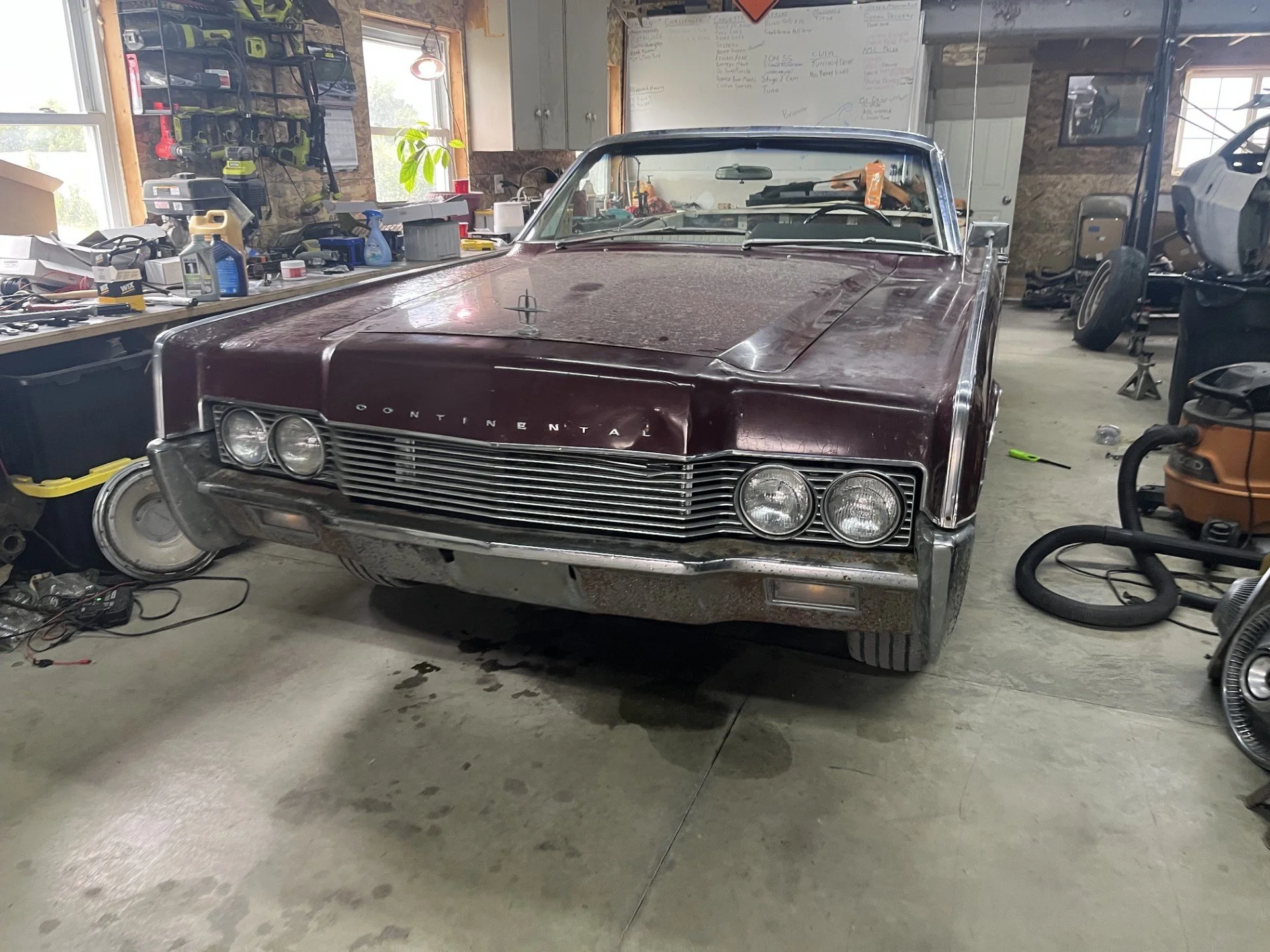
First full hood test-fit with the swap installed.
Drive-By-Wire Integration
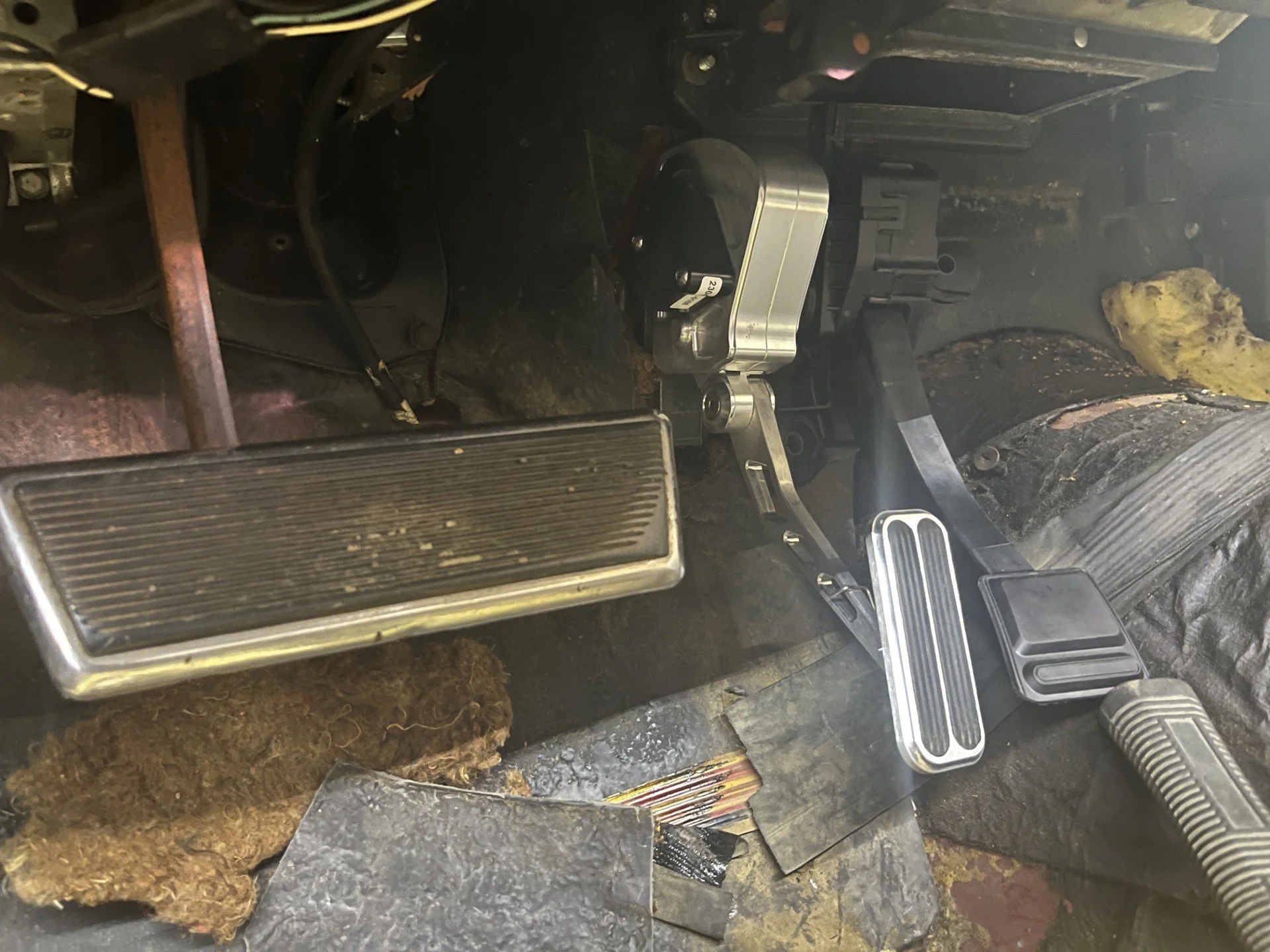
Modern Throttle Without Ignoring the Interior
The Godzilla's electronic throttle requires a compatible accelerator pedal. Comparing pedal options and packaging them in the Lincoln helped establish a practical DBW solution without treating the interior side of the swap as an afterthought.
Still Developing
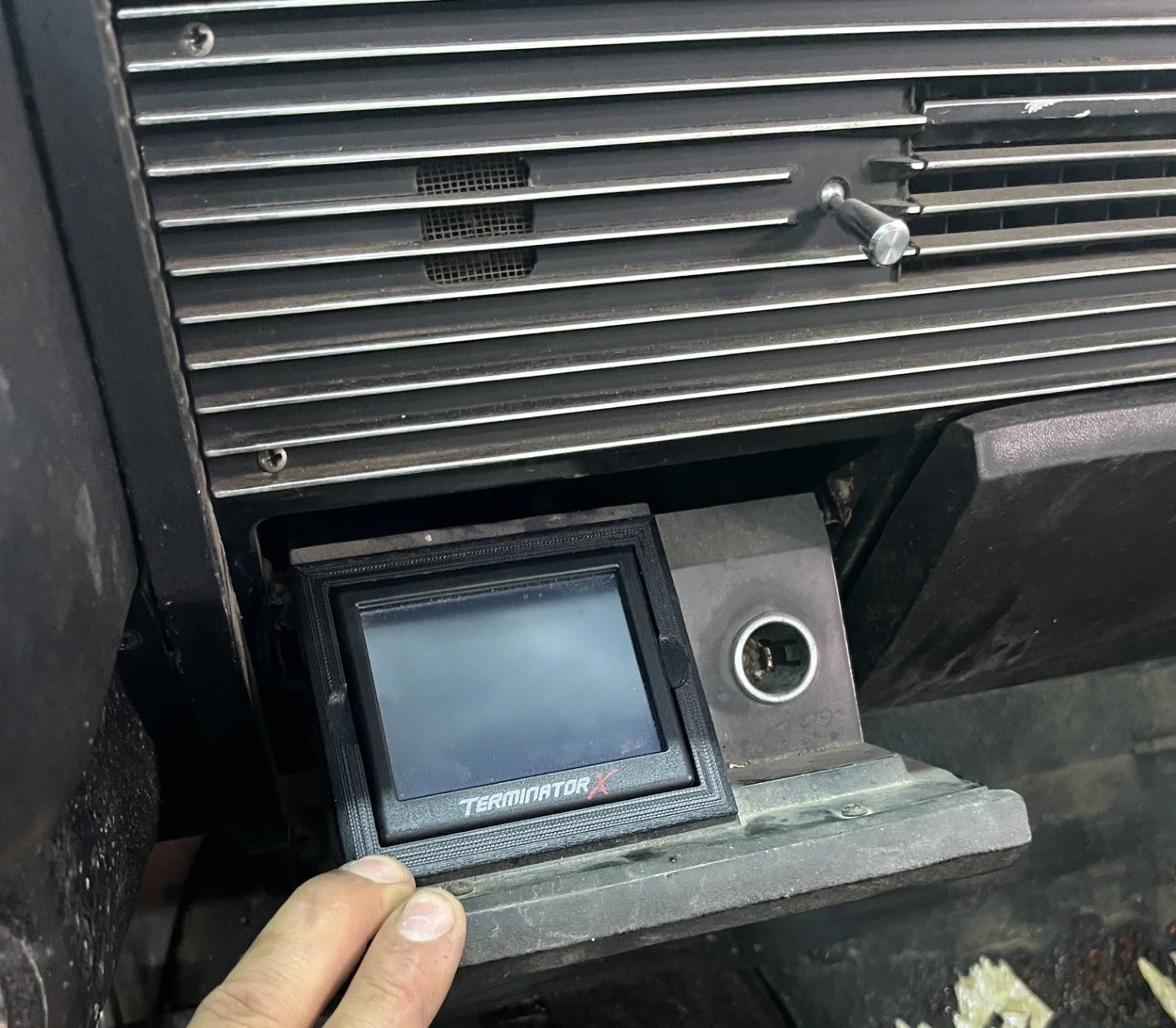
Terminator X Display Integration
Getting the drivetrain running wasn't the end of the development work. This test bezel fits the Holley 3.5-inch Terminator X touchscreen into the Lincoln so engine and transmission data can be monitored without simply sticking a display on top of the dash.
Like the rest of Crimson Kaiju, the idea is to test it in the real car, refine it, and decide what deserves to become a repeatable solution.
Major Components
What Went Into Crimson Kaiju
The DIRRTY CUSTOMS kit handles the application-specific hard parts: mounting the drivetrain and getting the exhaust out of an extremely tight engine bay. A complete swap still requires supporting components. Crimson Kaiju was built specifically to identify and test those pieces.
This is the configuration used on Crimson Kaiju, not a universal shopping list or fixed quote. Component choices can vary with vehicle condition, budget, desired integration and intended use.
The Development Reality
The Details You Don't Learn in CAD
Steering Clearance
The Lincoln engine bay is tight, and steering-box position can vary with year and mounting configuration. Crimson Kaiju helped expose those real-world tolerances so production fitment guidance could improve.
Transmission Packaging
Pan depth, tailshaft height, tunnel clearance and factory driveline angle all matter. The final installation preserves the no-cut philosophy while accommodating a real 4R70W package.
Controls & Electrical
Starter, charging, neutral-safety, reverse lights, brake input, fan control, electronic throttle and transmission control all have to work together. That's where a swap becomes a car again.
Where It Came From
The Car Before the Kaiju
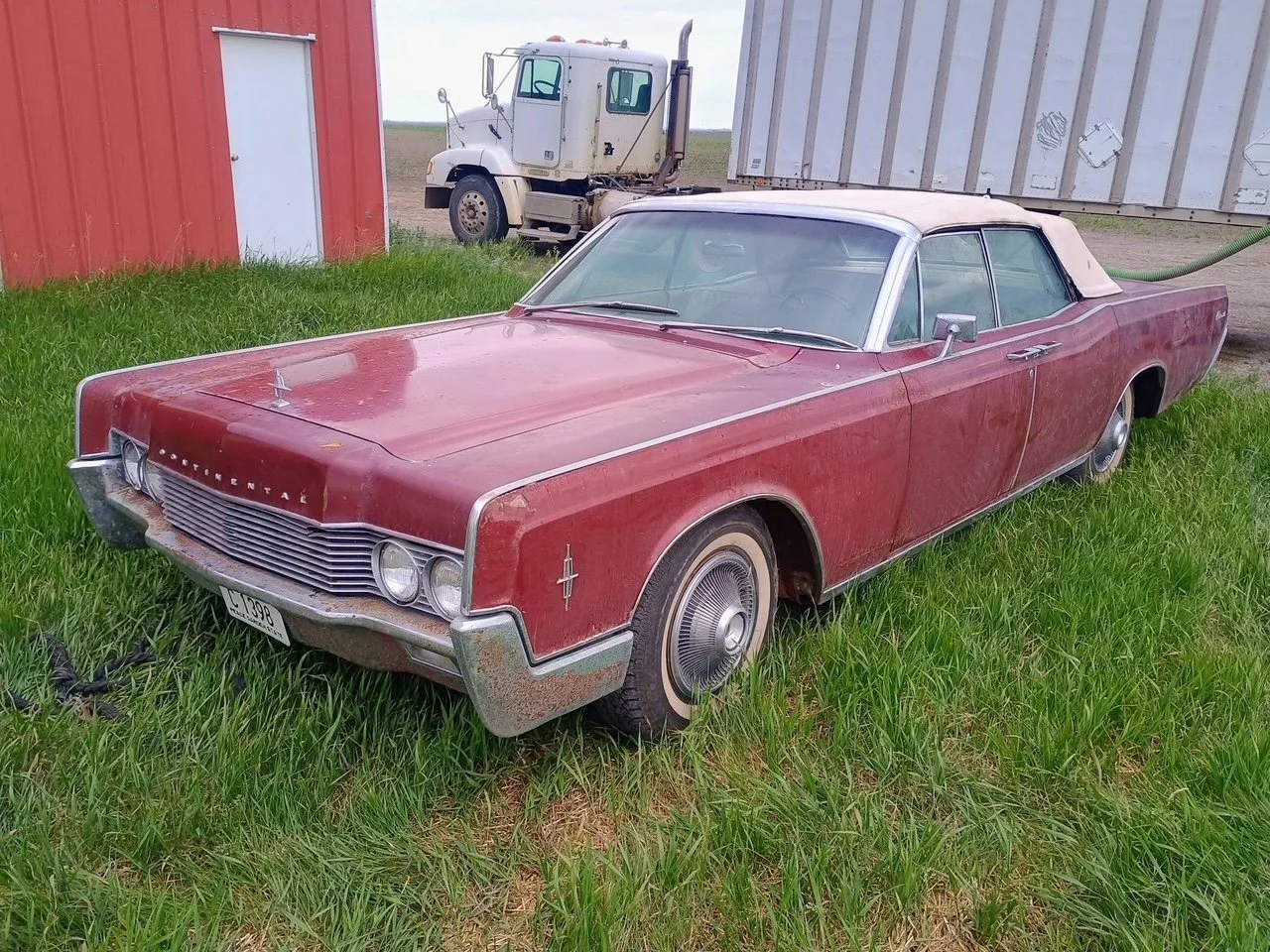
North Dakota Family Car
The Continental remained with the same North Dakota family for decades, with paperwork dating back to 1985.
Decades in Covered Storage
It spent decades in a covered barn before newer farm equipment needed the space and the family decided it was time for the Lincoln to find a new home.
Chosen for the Project
The family had multiple interested buyers and chose DIRRTY CUSTOMS because of what we were doing with these cars. Crimson Kaiju is our answer to that trust.
Current Chapter
For Now, We're Driving It.
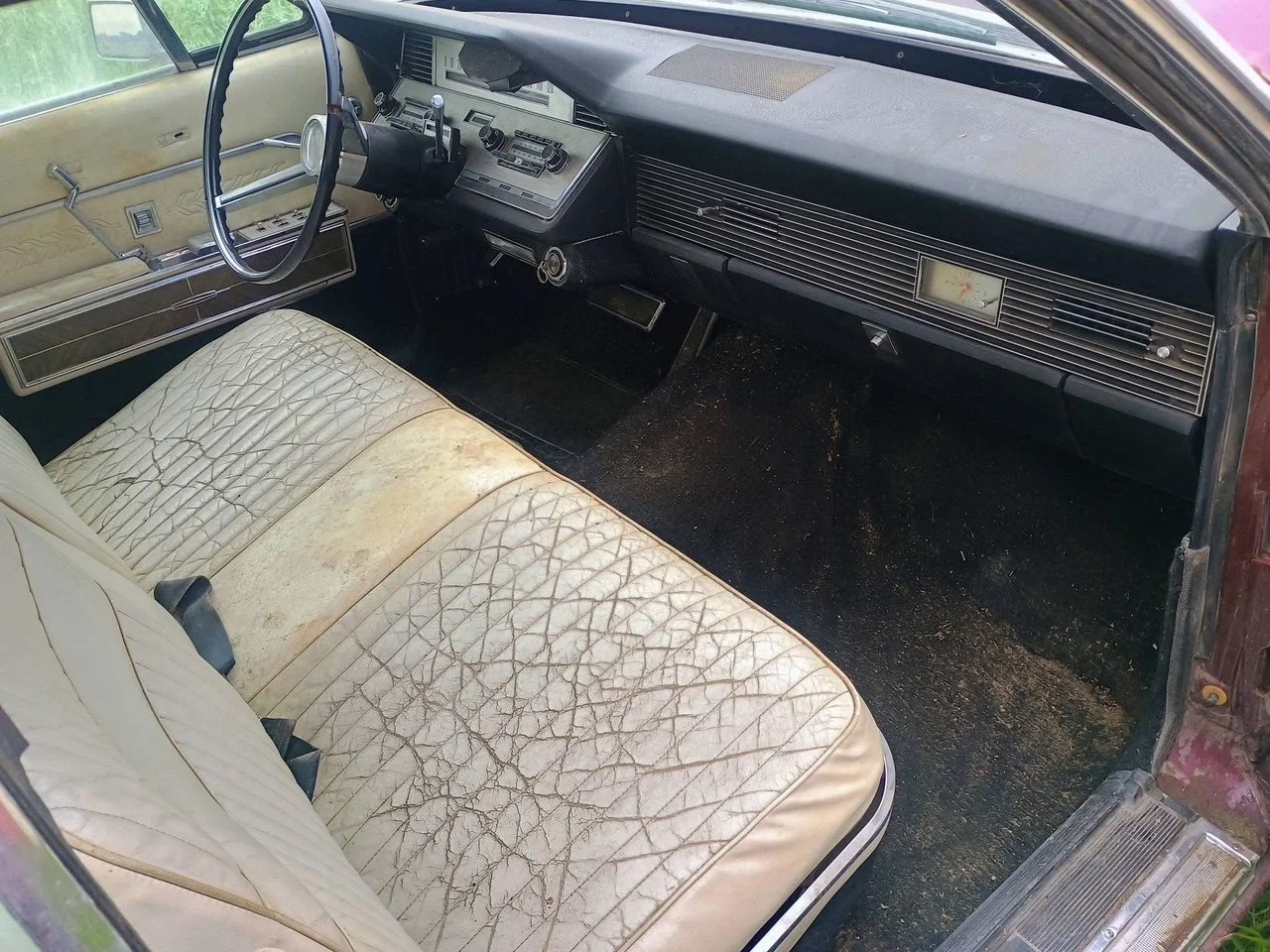
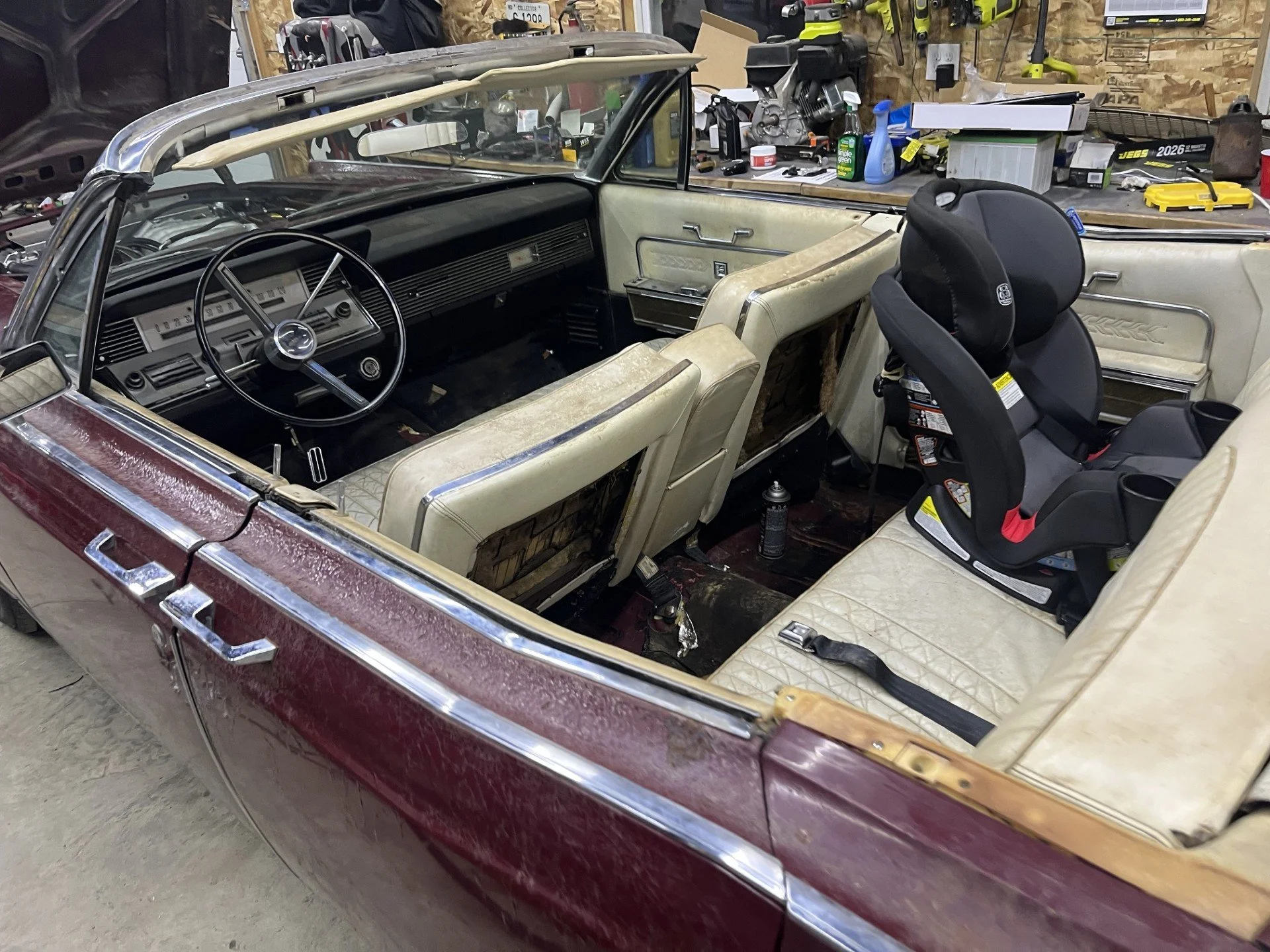
The body still needs major work. The interior still needs major work. Neither one is stopping us from putting miles on it.
For the fall, Crimson Kaiju's job is simple: be fun, accumulate road miles, generate datalogs and expose anything that still needs adjustment. Every mile gives us more information about the swap package and the supporting components around it.
Winter may be a different story. Air ride, a proper stereo, interior work and a much deeper round of upgrades are all on the table. But right now the crusty paint, worn interior and modern drivetrain are part of the charm — and taking it apart would mean we couldn't drive it.
Build Your Own
The Development Car Did Its Job. The Kit Is Ready.
Crimson Kaiju exists so the next Lincoln doesn't have to be the experiment. DIRRTY CUSTOMS Godzilla engine mounts, transmission crossmembers and stainless headers are available for 1961–1969 Lincoln Continentals.
Explore the Godzilla Swap Kit Shop DIRRTY CUSTOMSBuild times shown on this page reflect Crimson Kaiju's development build and are not a fixed labor quote. Vehicle condition, component selection, desired integration and additional work can change the scope of an individual installation.